Toolkit Home | Discovery & Identification | Learning from Community
Learning from your community.
When starting a legacy business program, it is indispensable to learn from the community as early in the process as possible. We may have our own interpretation of what businesses are most important, and while some legacy businesses may stand out or have better connections, talking with community residents will guarantee that your program identifies and focuses on businesses they find most significant to the community’s history, culture, and identity.
Gathering this community input creates a legacy business program that is less biased and more inclusive. Their input establishes a program that is built around real community priorities, values, and needs. Residents and community members are the best source for identifying which businesses define the sense of place for the neighborhood; those that embody cultural, historical, or social (e.g., social interaction, social cohesion, relationship building) significance. This helps prevent an “expert”-created list of businesses, which may overlook those critical to the underrepresented and the underserved.
Early community outreach also helps to create legitimacy for the project and builds partnerships for long-term program sustainability. If the community is part of the process and can see their input making an impact, they are more likely to support and advocate for your program. These strong community connections help ensure that the program remains visible and valued by politicians and public officials. Most importantly, continued community involvement helps sustain the program and enables it to evolve as the community's priorities and needs change. Let’s take a look at how you can involve your community.
Community surveys
Community surveys are online, paper-based, or in-person methods of research that allow residents and community stakeholders to share their priorities for your legacy business program. They are one of the easiest ways for you to collect coordinated feedback from a large sample of the people most impacted by your program. They allow everyone in the community to have a voice, especially when they are made accessible in different languages and in both digital and print formats (for those who may not be as technically proficient). Surveys offer a variety of options for collecting data, including ranking options, open-ended questions, emotional response or sentiment questions, and multiple-choice questions. Keep in mind that your data is only as good as your survey; therefore, take the time to understand how to design the survey for optimal results.
Resource.
Penn State Survey Design
Penn State offers a valuable online resource on survey design to help you achieve your goals.
Surveys are one of the best ways to gather a large and representative sample of data for your community. They will allow you to reveal a much broader list of businesses, while also collecting information on their perceptions for the project. They help you to understand what the community finds significant, what traditions and values are most important, the emotions behind their choices, and what support they would like to see through your legacy business program. This information enables you to quickly grasp the community's real needs, rather than relying on your team’s perception or assumptions, or outside influences.
Online Survey Tools
SurveyMonkey is one of the most commonly used online survey tools, and it also offers resources for effective survey design. Google Forms and Typeform also offer solid free survey tools.
Tool tip.
Community workshops
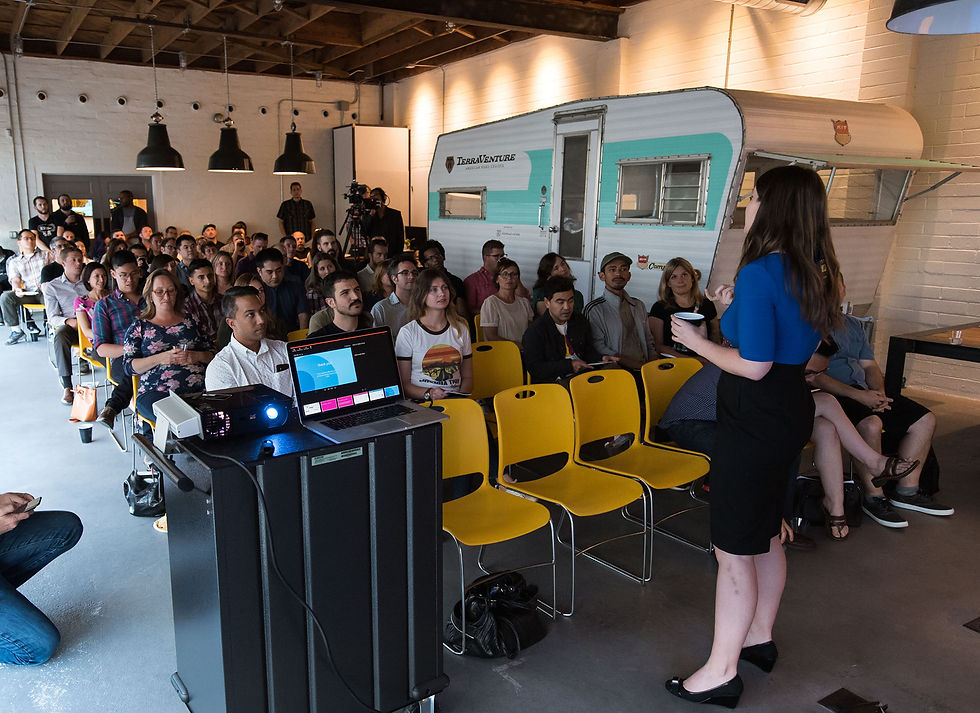
Photo by Konrad+King
Photo by Konrad+King
Community workshops have long been a part of municipal toolkits. They are in-person or online meetings that bring together residents and community stakeholders with your team to share ideas, goals, plans, and anxieties. They provide opportunities for a wide variety of people to collaborate, learn, and interact with one another, building trust and understanding between you and the community.
Community workshops are typically structured as highly interactive sessions, where ideally, community members are in the driver’s seat. To instill a sense of ownership, increase participation, and create a more equitable and inclusive process, consider working with your community partners to have them facilitate the workshops.
In the case of legacy business programs, these workshops provide direct access to the community's knowledge on which businesses best represent and support the community’s identity and cultural heritage. The goals of your workshop should center on uncovering the true priorities for the legacy business program based on the people who live in the community and interact with the businesses. The workshops may also offer insight into the community's culture, traditions, social structure, and economy. They also allow for community input on what “legacy” means in your program—age, impact, economic value, or the like. Conducting these workshops will help enhance the design of your legacy business program, informed by community input.
These workshops are an excellent way for you and your team to meet and gain a deeper understanding of the people your program will serve. Conversely, they enable the community to gain a better understanding of your team’s background and goals. Your in-person interactions with the community help build and strengthen a partnership that can successfully launch and sustain your legacy business program.
Resource.
Liberating Structures
Liberating Structures provides you with information, instruction, and methods for conducting more inclusive and representative community workshops.
Heritage Asset Mapping Exercise
Asset mapping is a method that enables community members to quickly and collaboratively identify and describe the legacy businesses that matter most to a neighborhood's cultural heritage. They are also a good way to gain community insight to create a prioritized list of legacy businesses for your program. One of the main reasons for creating a prioritized list is to provide a starting point when your program resources are limited. Your community members can help you also determine which businesses might be struggling and in the most need of assistance, or which business owners are most trusted or influential in the community and might assist in the growth of the program.
The easiest way to run this workshop is to print or draw large maps of a neighborhood, then allow community participants to map out or pin assets (such as businesses) on the map. You should provide ways for the participants to describe and value the assets on the map. This method provides a quick visualization of the clusters and locations of the businesses in your target neighborhood.
HealthyCity offers a comprehensive Participatory Asset Mapping Toolkit that describes and guides you through facilitating the exercise in your community.
Tool tip.
Analyze, document, and share
Whether you conduct interviews, workshops, or surveys, it is essential to thoroughly analyze and interpret the results to gain a deeper understanding of your legacy business program. Many online survey platforms include built-in analysis tools that streamline and simplify the process. With workshops, you can do analysis exercises or discussions with your participants to get real-time interpretations of their responses. In many cases, research can lead to more questions, so be sure to follow up with your participants when the need arises.
Once you have completed your analysis, be sure to share the results with the participants and your stakeholders. Sharing information with participants helps build trust through a transparent process and mitigates issues of opinion or bias by presenting data from a large sample of people. This same data is a valuable tool when sharing with your stakeholders, as it prevents them from thinking that program decisions are being made based on opinion or feeling.